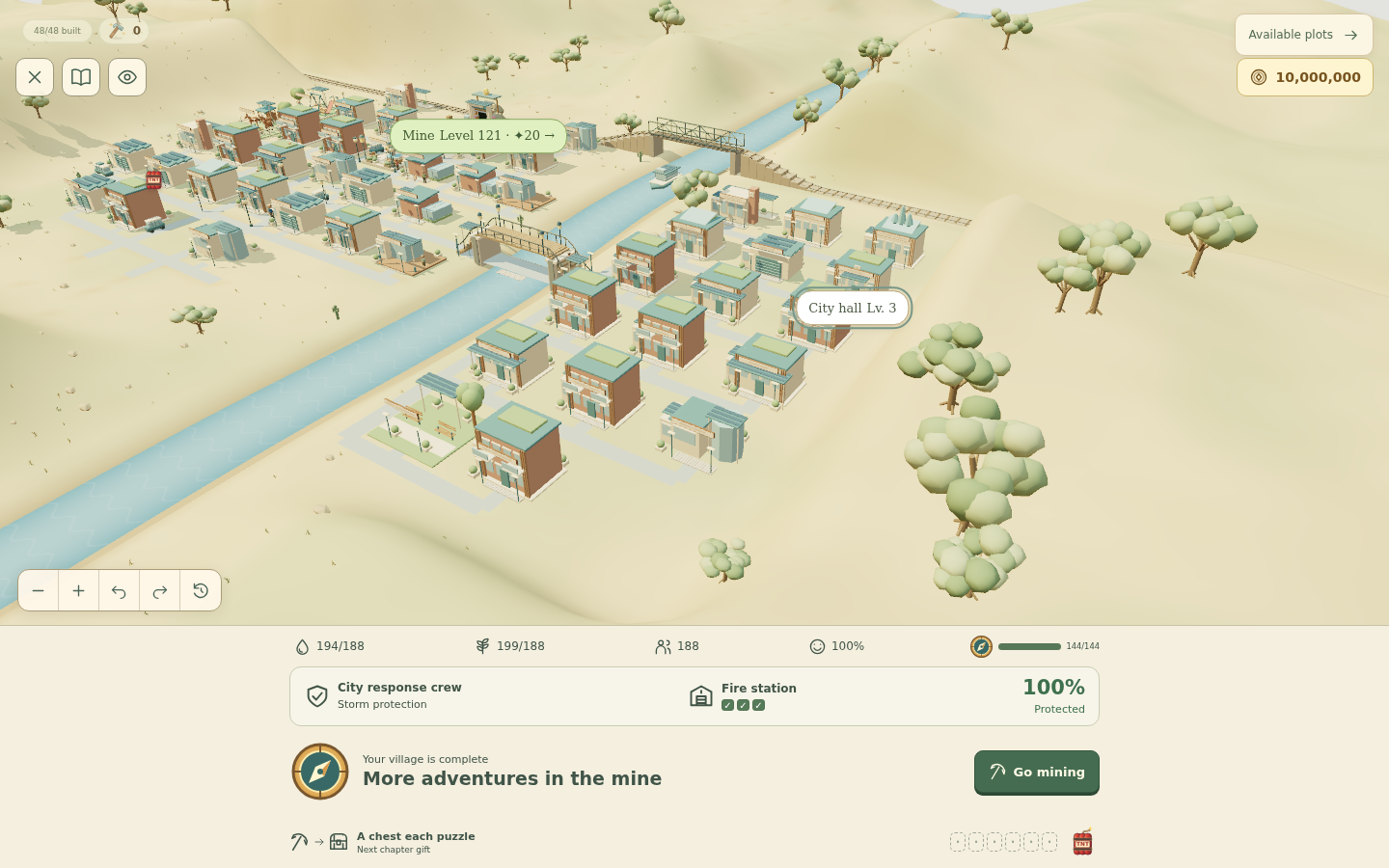
Prospect Hollow’s last Vercel update before moving to my own host
I’ve just merged another Prospect Hollow update from develop into main. It is the last release I plan to put on Vercel. The next public home will be my own host, with an account backend; that version is already taking shape on preprod. For now, you can still play the current Vercel build.
The timing feels right. The new merge follows the performance review I wrote about yesterday. That review started with a list of little problems that made the village feel less alive than it should: a person taking a strange route, a vehicle getting stuck, a construction scene not quite lining up. Now there is code behind the decisions.
A busier town without so much work at once
The game now spreads out some of the heavy lifting when you enter the village or mine. Plot preparation is staged, model catalogs load for the era you are actually in, and animal setup and audio can wait until the scene is ready. The mine also prepares its board assets differently. These are changes you should feel while moving between parts of the game, even if the first thing you notice is simply that the town looks familiar.
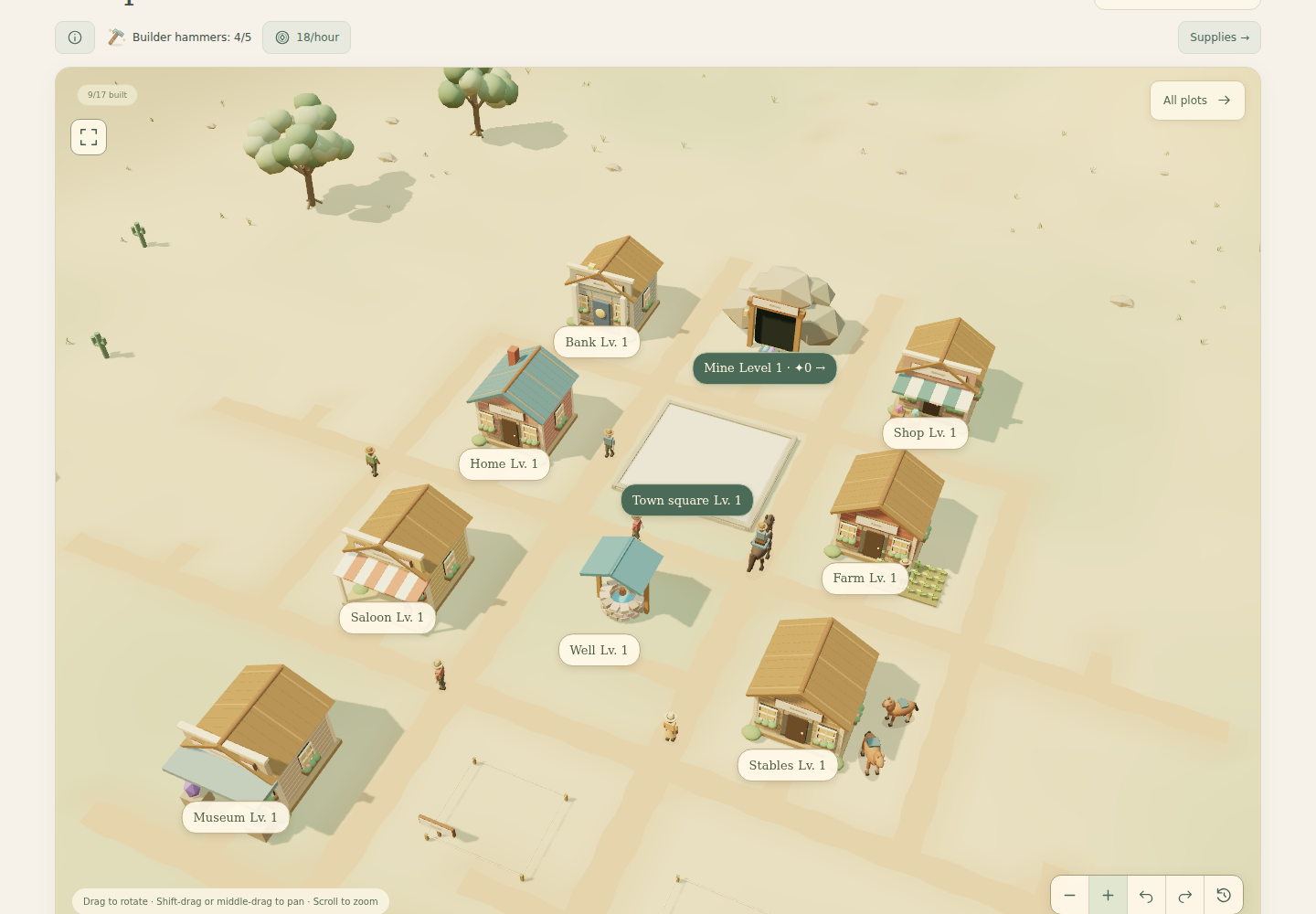
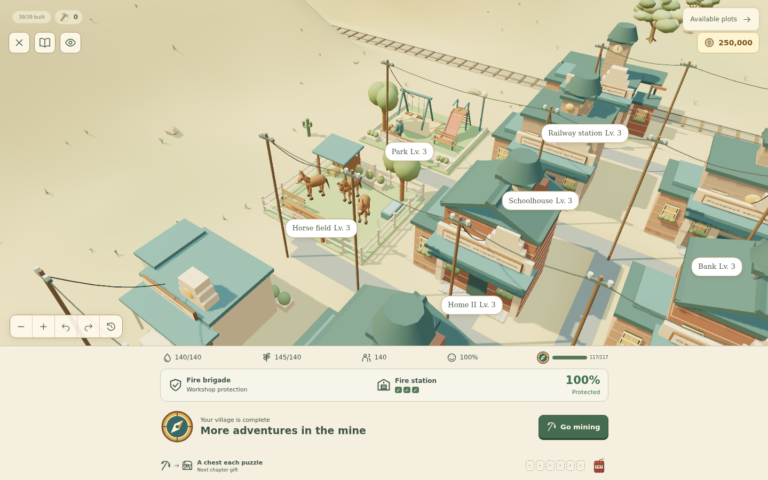
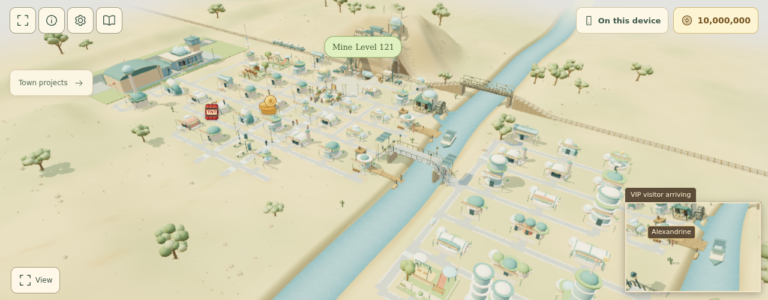
I also wanted the people in that town to act as though its streets were real. Villagers follow prepared routes instead of doing the same path work every frame. They can finish jobs by their buildings, take breaks and get around one another and the traffic. The fisherman heads down the pier; the pigeon feeder actually turns toward a bird before throwing grain. VIP visitors can stop at completed buildings after arriving by train, boat or plane, earning five coins per visit.
The roads change as the town does
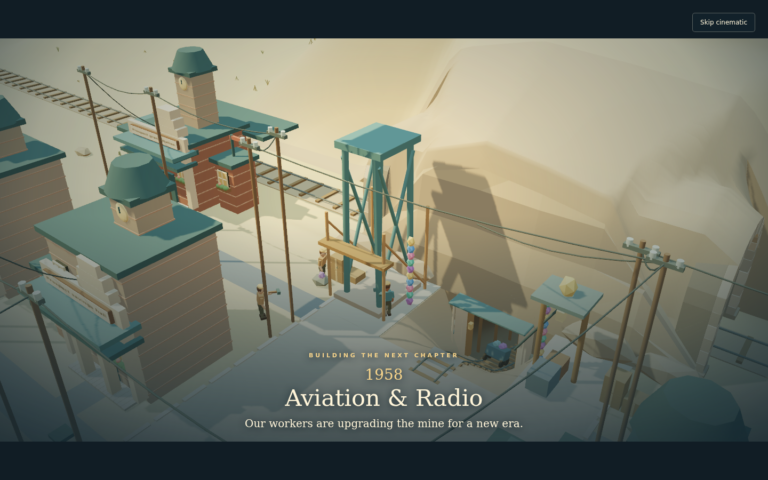
Roads now evolve with the eight eras, from worn dirt and gravel to paving, asphalt and marked city streets. The bridges have had attention too: their decks meet the roads properly, and cars and buses follow the slope instead of clipping through it or pitching at the wrong moment. Lamps and scenery have been moved away from awkward junctions and building fronts.
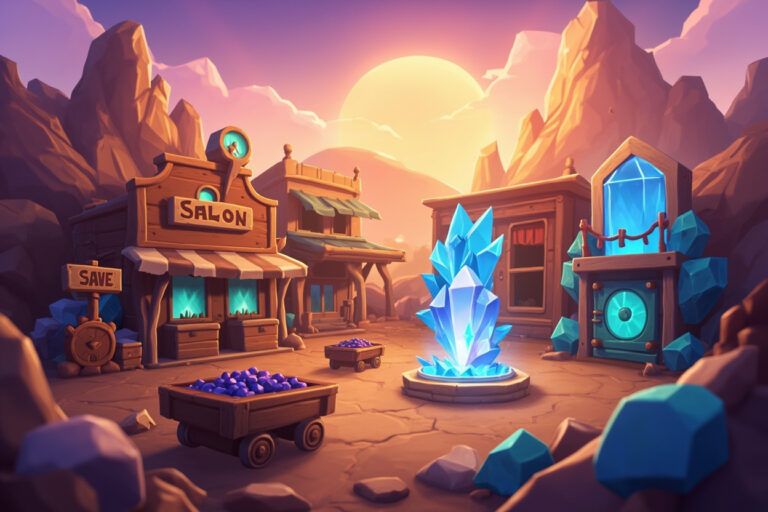
The mine above ground grows more convincingly as well. Older workshops stay part of the site as newer equipment arrives, and construction workers keep their platforms until they have actually finished leaving. It is the kind of detail you may never name while playing, but you notice when it is wrong.
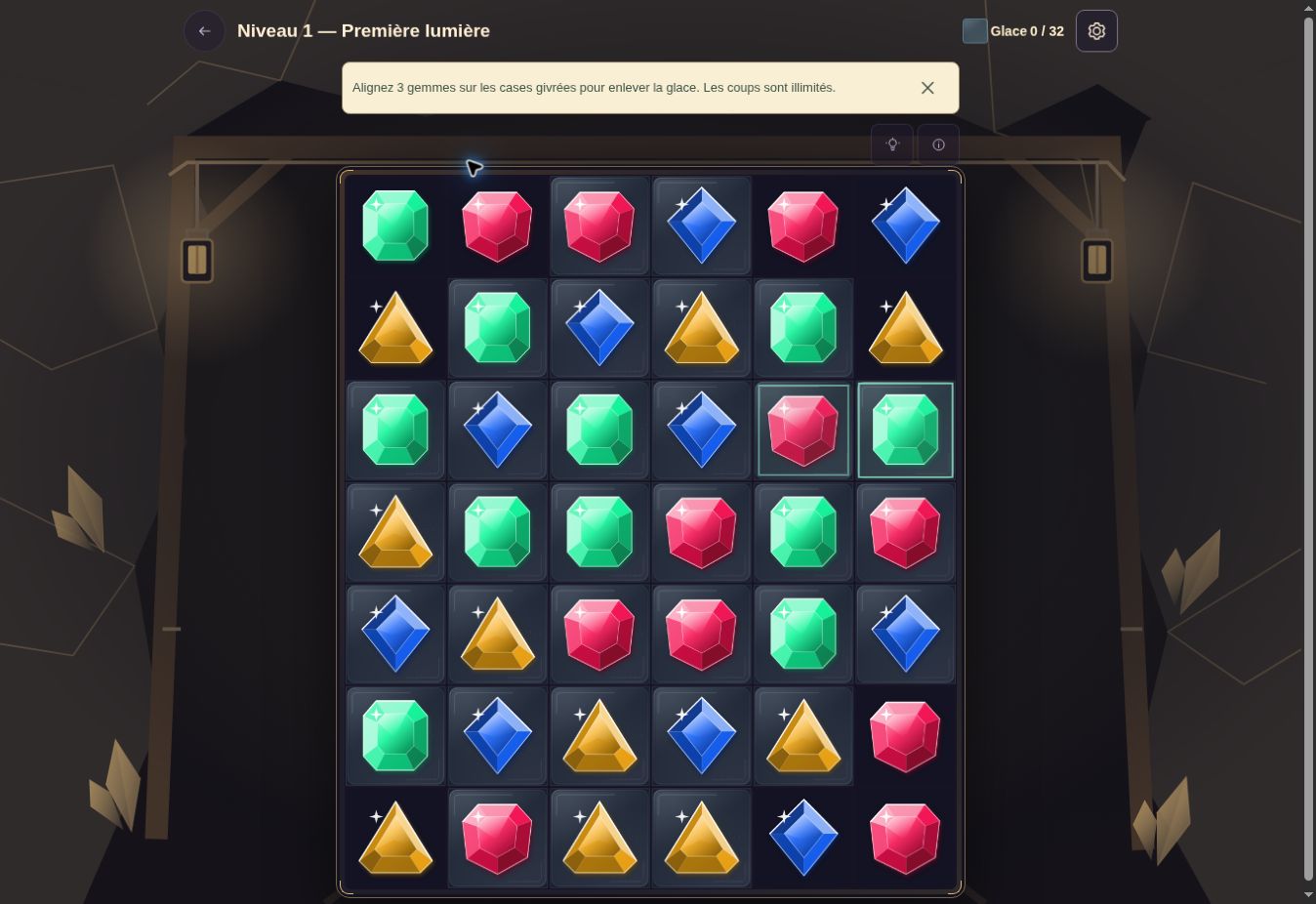
This work is in the village and mine performance PR. Its automated checks pass, but I am not calling the job done on every phone: physical-device frame-rate and memory measurements are still outstanding.
What is already running on preprod
Vercel has the latest game update, while preprod on my own host is where I am testing the next piece: a real PHP backend for account saves. The game still plays locally and works offline. Without an account you have one town saved on that device. With an account, you can keep up to three independent towns and bring them to another device through the server.
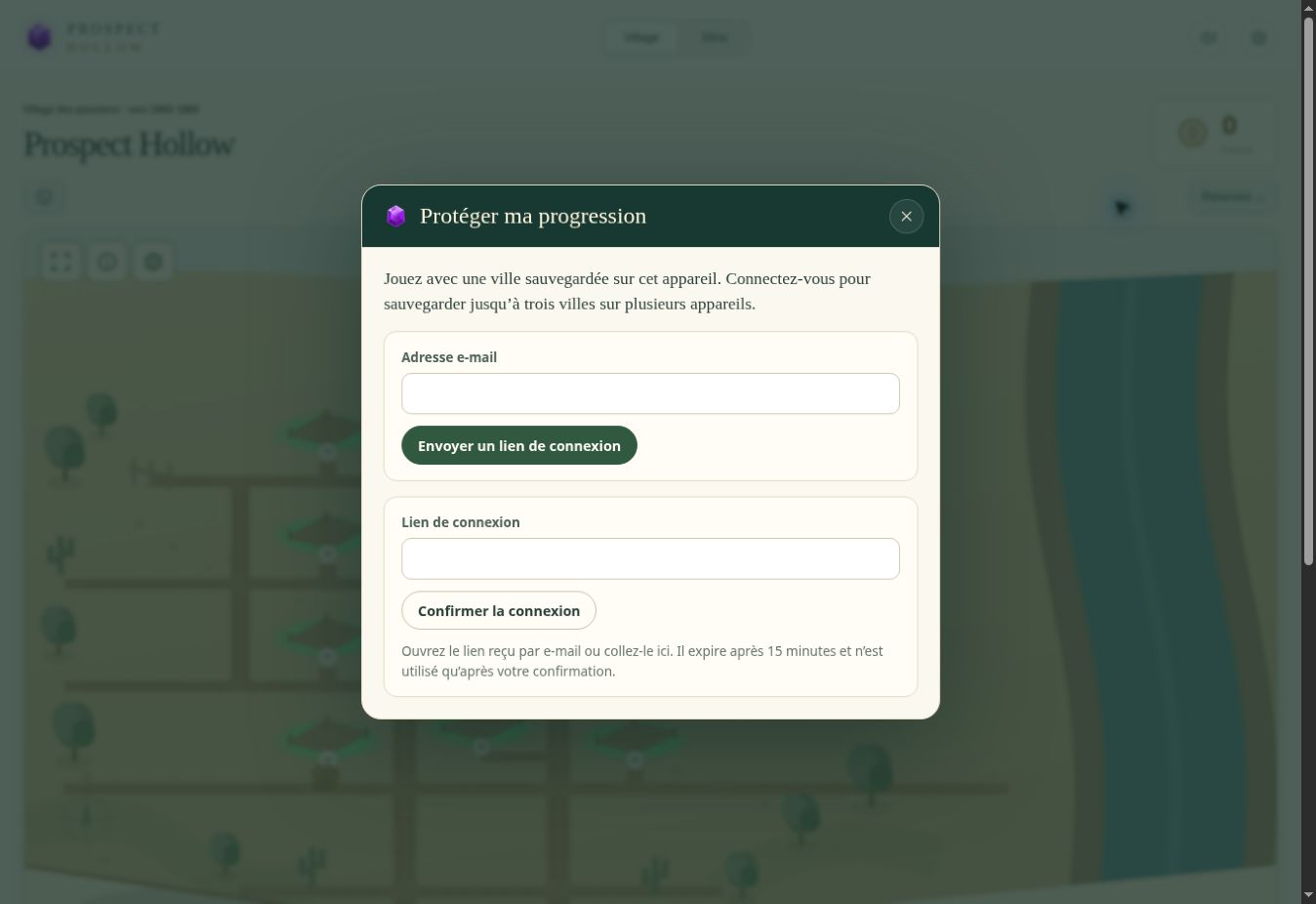
I have been especially careful about what happens when two devices change the same town. A conflict should be shown to you, with the local copy preserved, rather than silently picking a winner. Preprod also handles separate towns in different browser tabs and lets you hand a town to another tab without restarting a puzzle. Those are things I want to test before calling the new host the public home.
Keep a copy of your town before the move
There is one practical detail worth dealing with now: your current Vercel save lives in that site’s browser storage. A different domain will not magically carry that local data across. In the current game, open Settings → Save a backup file and keep the JSON file. The new build supports importing a backup, and I will spell out the exact move when the production host is ready. Preprod is for testing today; the Vercel address remains the public game for now.
If you want the technical detail, the release merge and account-saving design show what went into each side of this move.

2 Comments